Parasite Prevention
Year-round parasite prevention for New Hampshire dogs and cats — significantly safer, simpler, and more cost-effective than treating heartworm, tick-borne disease, and intestinal parasites.
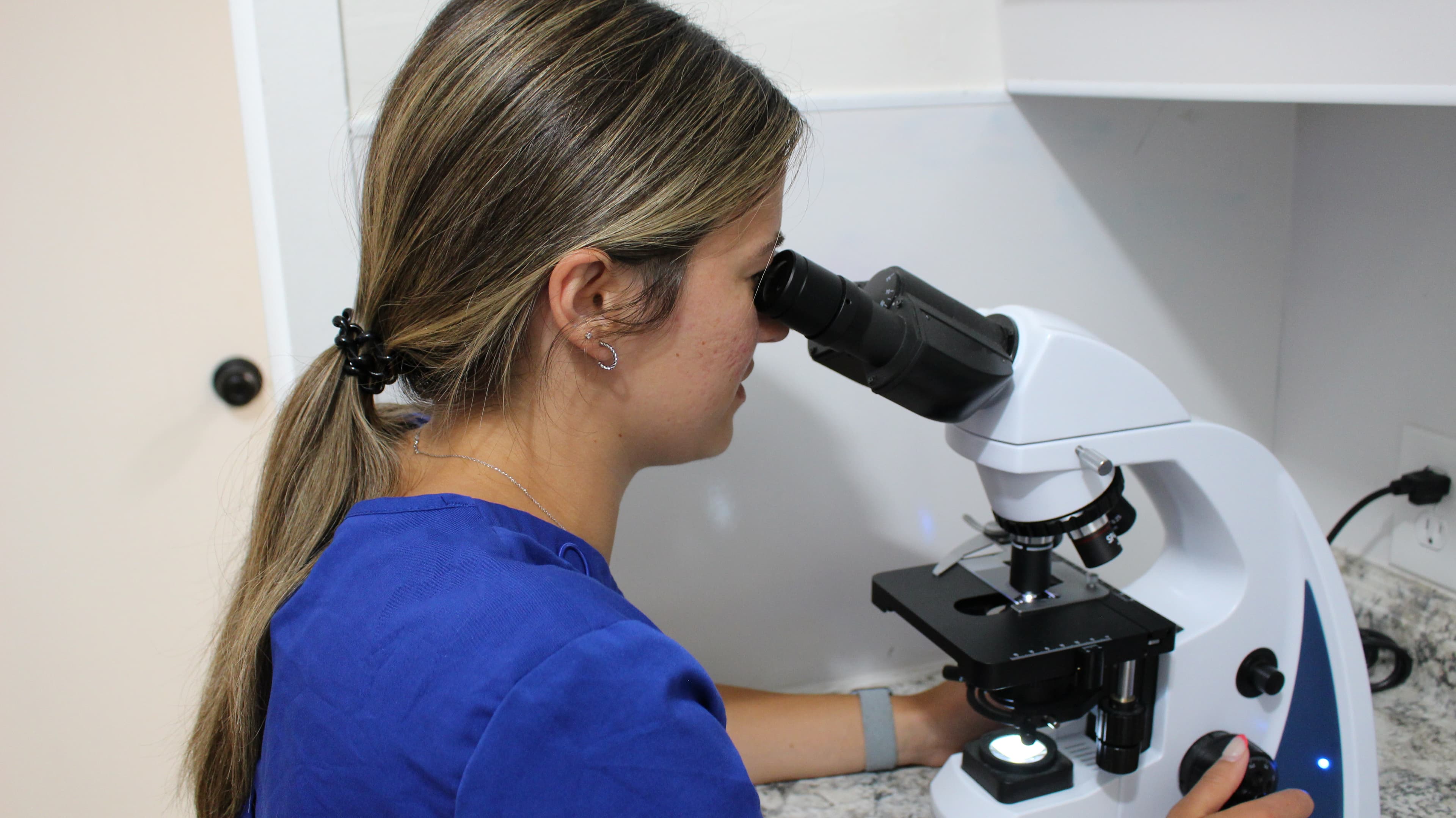
We diagnose and treat insect and parasitic diseases year-round in New Hampshire. Prevention remains significantly safer, simpler, and more cost-effective than treatment.
For Dogs
Heartworm Prevention
Monthly heartworm prevention is recommended year-round for all dogs. Treatment for heartworm disease is lengthy, uncomfortable, and significantly more expensive than prevention.
Most monthly heartworm preventives also function as broad-spectrum dewormers, protecting against common gastrointestinal parasites such as roundworms and hookworms — parasites that can affect both pets and people. Annual heartworm testing is required for these prescription medications, even when prevention has been given consistently.
Tick Prevention
Year-round tick prevention is recommended for all dogs in our region. Even dogs living a more urban lifestyle are not protected from exposure, particularly in wooded or wildlife-dense areas.
For higher-exposure dogs — including hunting dogs, hiking companions, and dogs with heavy outdoor activity — strict adherence to prevention is especially important.
Routine Fecal Screening and Deworming
Annual fecal screening is recommended for adult dogs. Puppies require structured, routine deworming during their first year of life, as they are particularly susceptible to intestinal parasites.
Highly social dogs, dogs attending daycare or dog parks, and pets with heavy environmental exposure may require more frequent screening.
Recently adopted pets — especially those transported from southern states — often require additional screening and deworming. Many pets from the southern United States have a higher parasite burden and increased exposure to heartworm and other vector-borne diseases. Early screening allows us to identify and address concerns promptly.
Many intestinal parasites can be present without obvious symptoms, which is why routine screening remains important.
For Cats
Parasite prevention for cats is based on lifestyle.
Indoor cats can still be exposed to fleas and infectious agents carried into the home. Cats that are active hunters (“good mousers”) are at higher risk for intestinal parasites such as tapeworms, which are commonly transmitted through rodents and fleas.
Outdoor cats are at increased risk for fleas, intestinal parasites, and zoonotic infections like ringworm. Routine prevention, deworming, and screening are strongly recommended for these pets.
Kittens require routine deworming during early development. Newly adopted cats — particularly those transported from southern regions — may require additional screening and preventive care due to higher exposure risk.
Choosing a Prevention Strategy
Multiple effective parasite prevention products are available. We do not endorse one single product over another. Several strategies work well when used consistently and correctly.
We are happy to discuss options and help you choose an approach that fits your pet’s lifestyle and your comfort level.
It is important to note that some homeopathic and certain over-the-counter products do not contain active ingredients proven to provide reliable protection. Veterinary-recommended products undergo safety and efficacy testing, and many manufacturers provide financial guarantees if protection fails when used as directed.
Related services
Wellness Exams
A comprehensive, nose-to-tail physical examination designed to assess your pet’s overall health and catch concerns early — often before symptoms are visible at home.
Learn moreVaccines
Individualized vaccine protocols based on age, medical history, and lifestyle — accounting for New Hampshire’s environmental exposure, tick prevalence, and wildlife contact.
Learn moreNutrition Support
Individualized, calorie-based nutrition plans grounded in AAFCO standards — making diet choices clearer, more approachable, and less stressful for dogs and cats.
Learn more