Soft Tissue Surgery
A wide range of soft tissue surgical procedures performed with careful planning, modern anesthesia protocols, and comprehensive multimodal pain management.
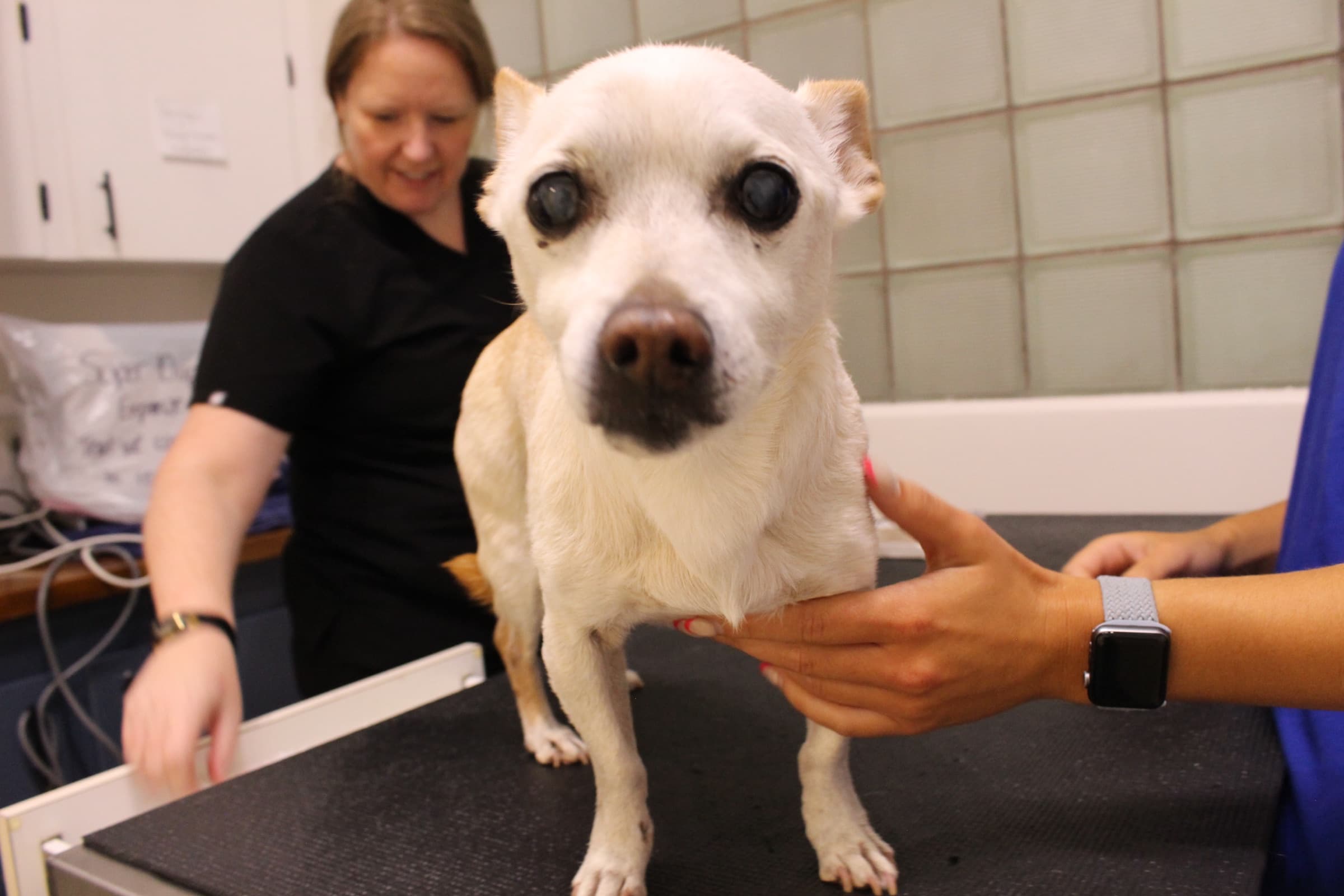
We perform a wide range of soft tissue surgical procedures within our hospital. Every surgery is approached thoughtfully, with careful planning, modern anesthesia protocols, and comprehensive pain management.
Common procedures performed at our hospital include:
- Spaying and neutering
- Mass removals and biopsy procedures
- Limb amputations
- Cherry eye repair
- Cystotomies (bladder stone removal)
- Select abdominal surgeries
- Aural hematoma repair
- Enucleation (eye removal)
- Eyelid corrective surgery
- Oral surgery and extractions
- Mastectomy (mammary gland removal)
Not every case is appropriate for routine in-hospital management. When a procedure would benefit from advanced specialization, we may coordinate with one of our traveling boarded specialists to perform the surgery at our hospital. In other situations, referral to a 24-hour specialty center may be recommended. Our goal is always to select the approach that provides the safest and most effective outcome for your pet.
Anesthesia and Pain Management
All soft tissue procedures are performed under general anesthesia with continuous monitoring by our skilled surgical technicians and doctors, including heart rate, oxygenation, CO2 monitoring, blood pressure, temperature, and ventilation.
Pre-anesthetic laboratory testing is required to evaluate organ function and identify any underlying concerns prior to surgery.
We utilize multimodal pain management for every surgical patient. Anesthesia often begins at home with a combination of light pain and calming medications given the morning of surgery and continued after the procedure. This approach reduces anxiety, allows us to use lower levels of anesthetic medications in the hospital, and contributes to a smoother and safer experience overall.
During the procedure, patients are supported by trained medical staff focused solely on monitoring and safety.
Hospitalization Requirements
For pets being hospitalized for surgery, we require current fecal screening and appropriate core vaccinations to protect all patients in our care and reduce the risk of contagious disease transmission.
The Day of Surgery
Drop-off is scheduled in the morning and typically takes about 15 minutes to review paperwork, confirm the surgical plan, and answer any final questions.
Patients are monitored throughout the day and provided food, water and walks once fully awake and stable. You are welcome to bring your pet’s regular food if preferred.
Pick-up is typically scheduled in the afternoon once your pet has recovered appropriately from anesthesia. We do not provide overnight hospitalization and patients are discharged the same day.
Recovery and Discharge
Detailed discharge instructions are provided and reviewed at pick-up. These include medication schedules, activity restrictions, incision monitoring, and follow-up recommendations.
Activity restriction is essential to allow proper healing. Jumping, running, and rough play must be limited during the recovery period.
The most challenging part of recovery is often the cone, which must be worn consistently for 10–14 days to protect the incision. Your pet may have strong opinions about this accessory, but it plays a critical role in preventing complications.
Related services
Comprehensive Dentistry
Comprehensive dental care under general anesthesia — full oral examination, digital dental radiographs, ultrasonic scaling and polishing, and targeted oral surgery when disease is advanced.
Learn moreSpay & Neuter
Spaying and neutering with full anesthetic monitoring, pre-anesthetic testing, and multimodal pain management — with timing individualized to your pet’s breed, size, and health.
Learn more